Non-GMO Project Verified Supplier Since 2012
Bulk Food Grade Citric Acid — Non-GMO Project Verified Anhydrous
Captain Drake supplies food grade citric acid anhydrous (CAS 77-92-9, E330) in FCC and USP grades. Our non-GMO citric acid is fermented from cane sugar and tapioca starch in Thailand and Colombia, and is Non-GMO Project Verified. Buy citric acid in bulk from 50 lb bags and 2,250 lb tote sacks up to full truckloads of 42,500 lbs, shipped from 12 US warehouses.
Bulk Supply
Buying Citric Acid in Bulk
How much does citric acid cost in bulk?
| Tier | Quantity | Typical buyer |
|---|---|---|
| LTL — one pallet | 2,250 lbs | Pilot runs, small-batch and contract manufacturers |
| Multi-pallet LTL | 2,250 – 20,000 lbs | Mid-size plants, seasonal production |
| Full truckload | 42,500 lbs | Continuous lines — lowest landed cost per pound |
| Annual contract | By agreement | Released JIT against a production schedule |
For a citric acid bulk buy — whether that is a single 50 lb bag citric acid pallet or a full truckload — send us the grade, particle size, pack format and annual volume.
How We Supply
Citric Acid Manufacturers vs Distributors — Which Do You Need?
Manufacturers run the fermentation plants. Distributors hold the inventory, carry the documentation and handle the import. Captain Drake is a citric acid anhydrous distributor and importer, not a producer — and for most US buyers that is the practical advantage.
Buying direct from an overseas manufacturer means container-load minimums, 8–12 week ocean lead times, your own customs clearance and your own quality liability. Buying from us means pallet-level minimums from US stock, a lot-specific Certificate of Analysis on arrival, and one point of contact when a specification changes mid-year. We carry the import risk so your plant does not have to.
Technical Data
Food Grade Citric Acid Powder — Full Specification
The CAS number for citric acid anhydrous is 77-92-9. We stock citric acid anhydrous powder and granular in FCC and USP grades, and can supply citric acid powder food grade against your specification. The specification sheet, SDS and a lot-specific Certificate of Analysis are supplied on request and with every shipment.
| Chemical name | Citric Acid Anhydrous |
|---|---|
| CAS number | 77-92-9 |
| EINECS | 201-069-1 |
| E-Number | E330 |
| Molecular formula | C6H8O7 |
| Molecular weight | 192.12 g/mol |
| Grades available | FCC, USP, Food Grade |
| Assay | 99.5 – 100.5% (anhydrous basis) |
| Appearance | White crystalline granular or powder |
| Particle sizes | Granular, Fine Granular, 200 Mesh (custom milled) |
| Feedstock | Non-GMO cane sugar / non-GMO tapioca starch |
| Country of origin | Thailand, Colombia |
| Shelf life | 36 months in unopened original packaging |
| Storage | Cool, dry conditions; keep sealed, protect from humidity |
| Certifications | Non-GMO Project Verified, Kosher, Halal, ISO 9001 / 14001 / 22000 |
Specification Guidance
What Is Anhydrous Citric Acid?
Anhydrous citric acid carries no water of crystallisation — CAS 77-92-9, a white crystalline solid sold in FCC and USP grades. The monohydrate form holds one water molecule per molecule of acid, making it roughly 8.5% heavier for the same delivered acidity. Both are E330 and both do the same job in a formulation. The choice is about moisture, weight and handling.
| Anhydrous | Monohydrate | |
|---|---|---|
| CAS number | 77-92-9 | 5949-29-1 |
| Water of crystallisation | None | One molecule (approx. 8.5% w/w) |
| Acid delivered per pound | Higher | Roughly 8.5% lower |
| Best for | Dry blends, effervescent systems, low-moisture formulations | Liquid systems, plants where dust control matters |
| Handling | Hygroscopic — keep sealed | More stable in humid plants, dissolves slightly faster |
Short version: if the formulation is dry, specify anhydrous. If it is wet, or your plant struggles with dust, monohydrate is usually easier to run. We stock both — tell us the application and we will confirm which one your specification should call for.
Physical Form
Granular and Powder — Available Particle Sizes
Particle size decides whether the acid disperses evenly, cakes in the hopper, or separates out of a dry blend in transit. Tell us the application and we will recommend the form — or mill to your own specification.

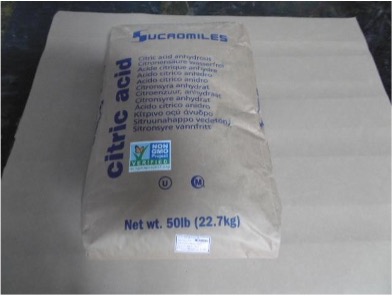
Granular
The standard form. Dissolves readily in liquid systems and resists caking in storage. Used in beverages, sauces, preserves and any wet application.
Fine Granular Powder
A middle grade for confectionery, bakery and applications needing faster dissolution than granular without true powder handling issues.
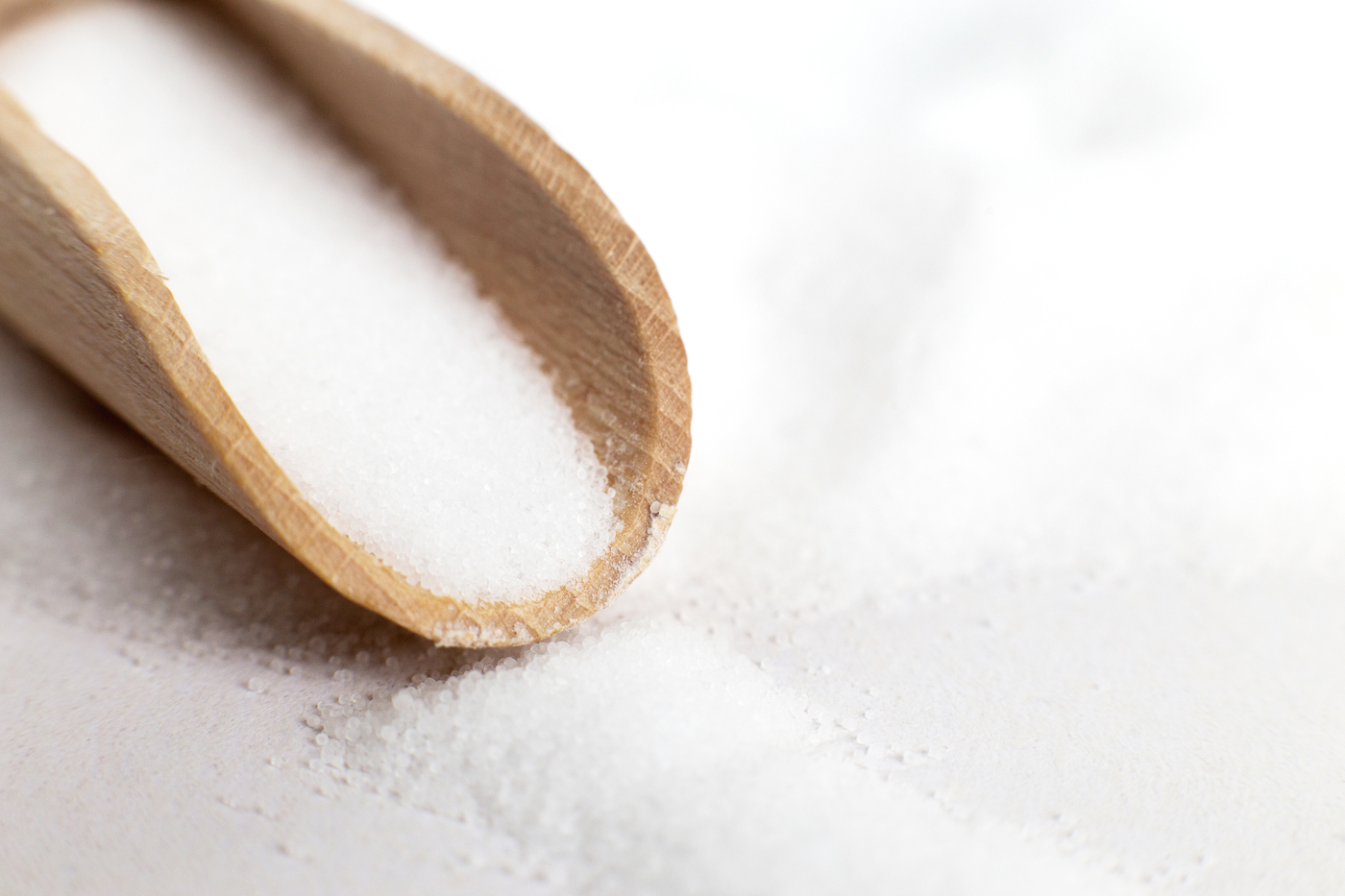
200 Mesh
Milled fine enough to stay suspended in a dry blend instead of separating out. Standard for spice systems, seasonings and dry beverage mixes.
Straight Answer
Is Citric Acid Made From Mold?
Partly, and it is not a problem. It is produced by fermentation, using Aspergillus niger — a food-grade fungus that has been used in food production since the 1920s. So is citric acid mold? No — the citric acid mold question describes the process that makes it, not the finished ingredient.
The organism is removed during crystallisation and purification. What arrives at your plant is a purified white crystalline acid tested against FCC or USP limits, with no fungal material present. Naturally derived citric acid by fermentation is the worldwide industry standard — the synthetic route is not produced at food scale.
The part that decides a non-GMO claim is what the organism is fed. US production ferments corn. We ferment non-GMO cane sugar and non-GMO tapioca starch — which is exactly why our material qualifies for Non-GMO Project verification and domestic material cannot.
Sourcing Reality
Why Non-GMO Citric Acid Must Be Imported
All three producers operating in the United States — Cargill, ADM and Primient — ferment corn. The overwhelming majority of US corn is genetically modified, so material made domestically cannot carry Non-GMO Project verification or USDA Organic certification.
If your label claims either one, the material behind it was imported. There is no domestic alternative to qualify instead, and no amount of supplier switching inside the US changes that.
Captain Drake ferments non-GMO cane sugar and tapioca starch in Thailand and Colombia, then carries inventory across 12 US warehouses — so your plant gets domestic lead times on an ingredient that can only come from overseas. Certified organic citric acid is available against enrolled organic programs; ask for the current certificate when you qualify the product.
Packaging
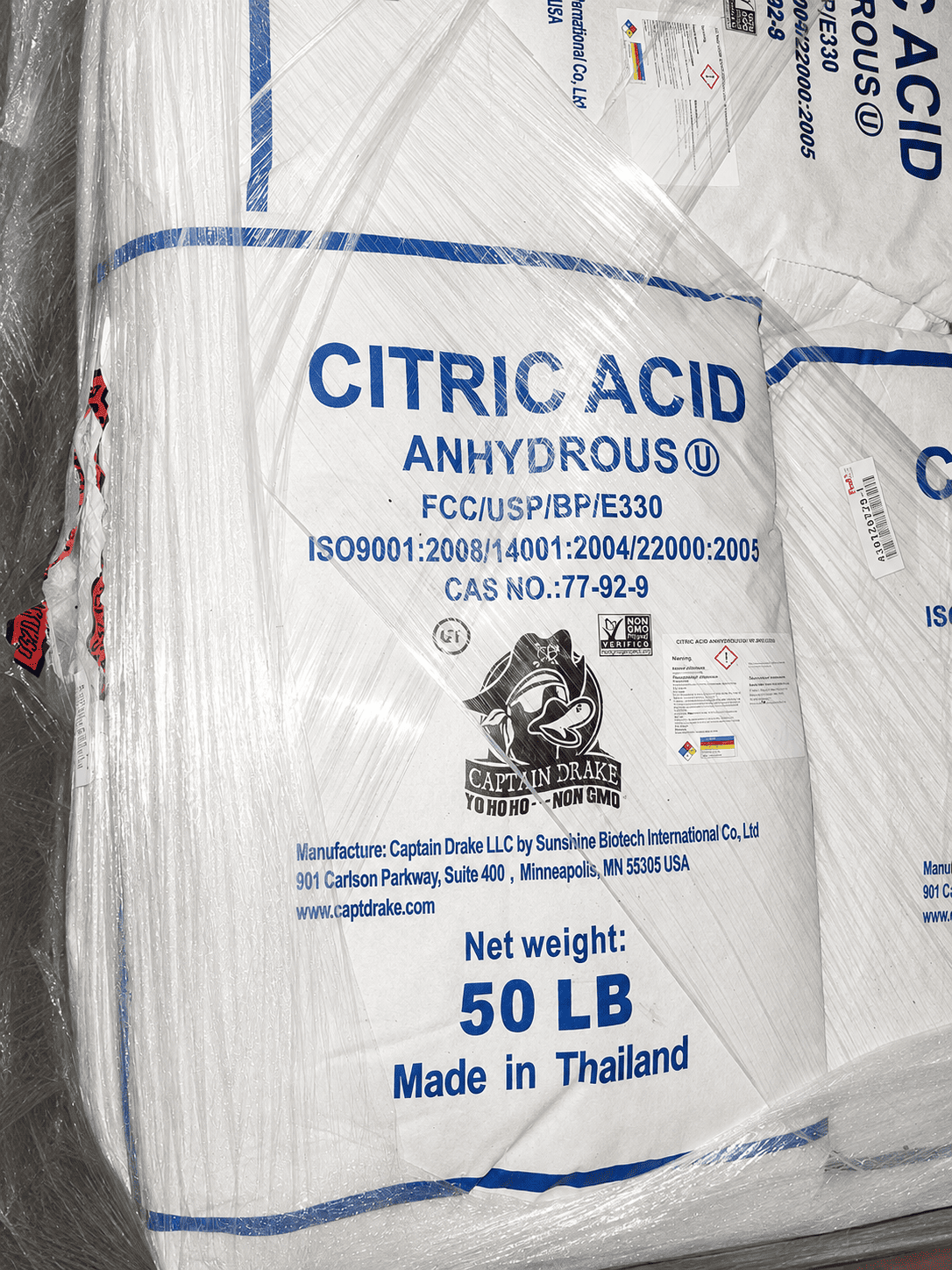
Citric Acid 50 lb Bags, Tote Sacks and Liquid Totes
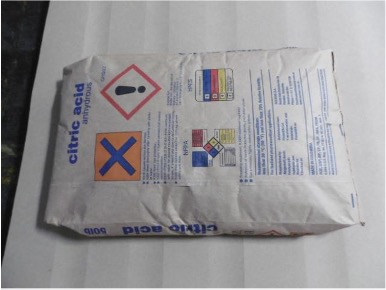
50 lb bag
Multi-wall paper. Standard plant intake and manual charging.
25 kg bag
For metric specification programs.
2,250 lb tote sack
FIBC for high-volume continuous lines.
Poly-lined 50 lb box
Moisture protection for fine-milled powder.
250 gal liquid tote
Liquefied citric acid systems.
Applications
What Citric Acid Powder Is Used For

Beverage & Functional Drinks
pH control and tartness in carbonated soft drinks, juices, energy and sports drinks. Granular dissolves cleanly in liquid systems.
Seasonings & Dry Blends
Sour notes in snack seasonings and dry mixes. This is where mesh size matters — coarse acid separates out of a blend in transit.
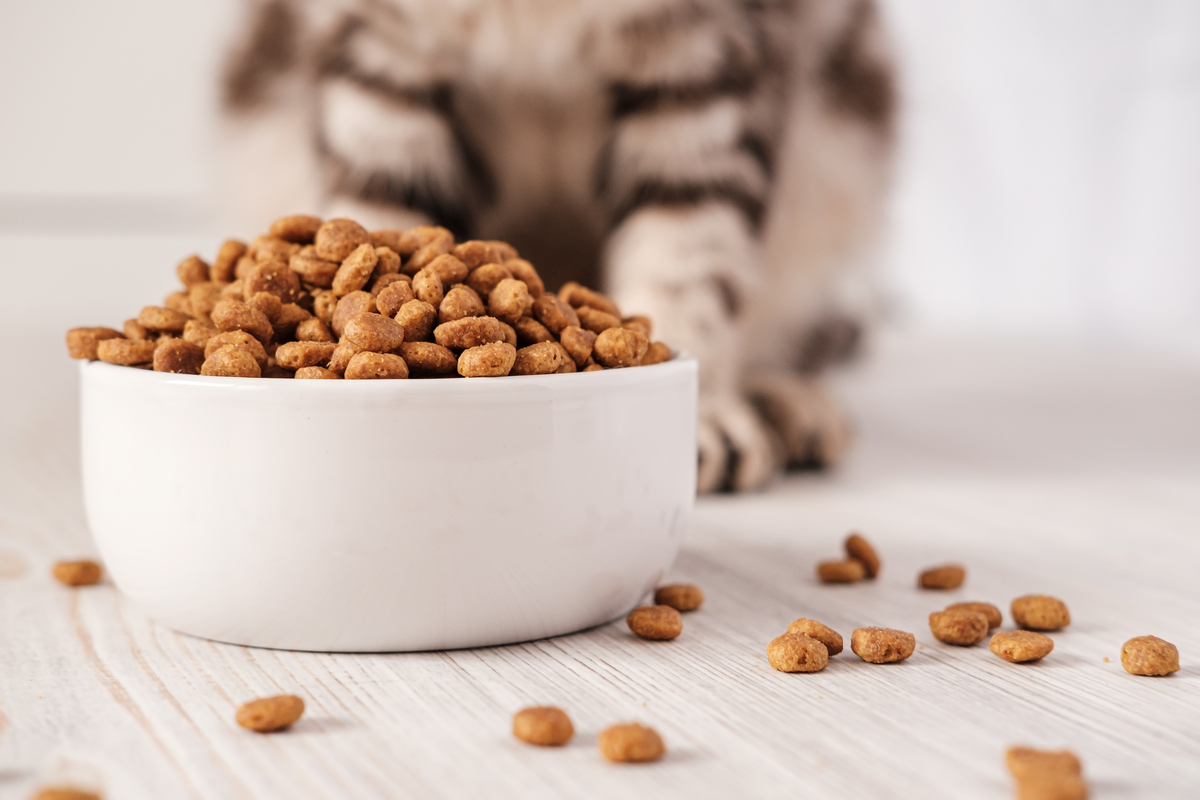
Pet Food
Palatability, pH adjustment and antioxidant support in kibble and wet formats. Non-GMO claims are increasingly required on premium pet labels.
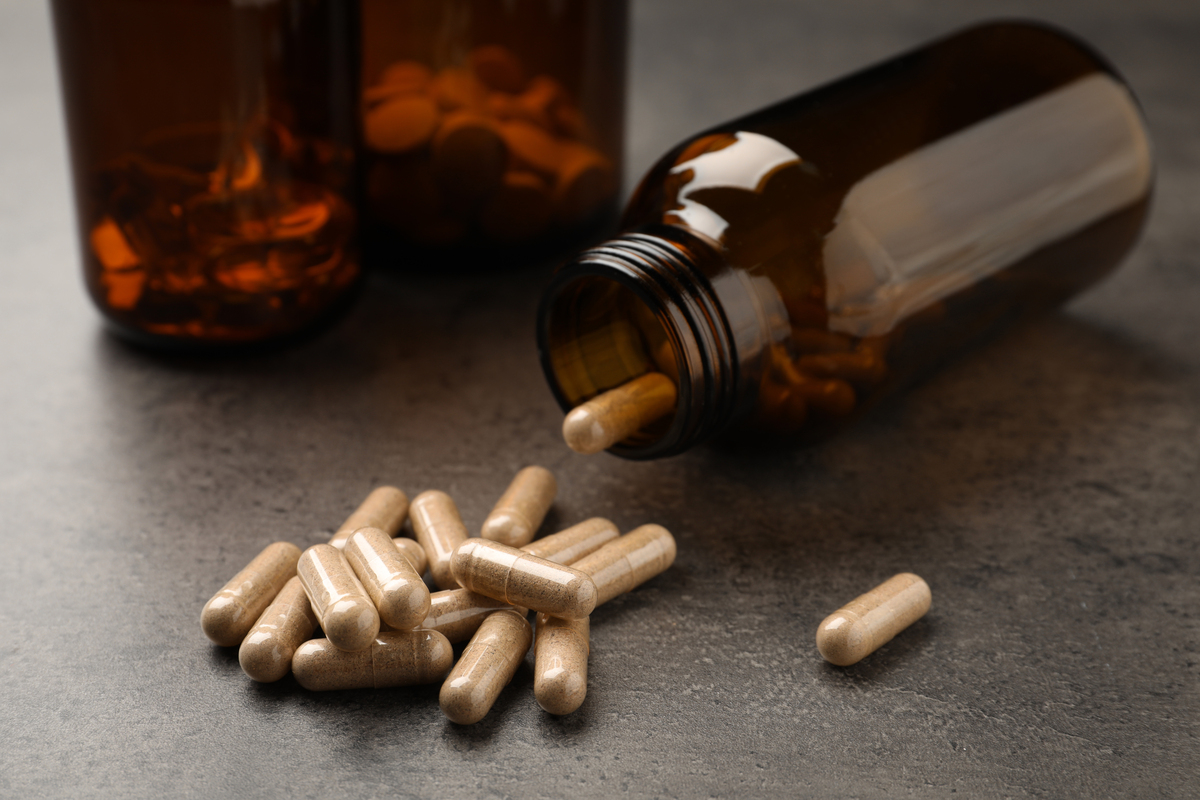
Nutraceuticals & Supplements
Effervescent systems, flavour masking and pH buffering. USP grade is typically specified for supplement and clinical nutrition programs.

Bakery & Confectionery
Sour candy coatings, fruit fillings, jams and preserves. Fine granular gives faster dissolution without powder handling issues.
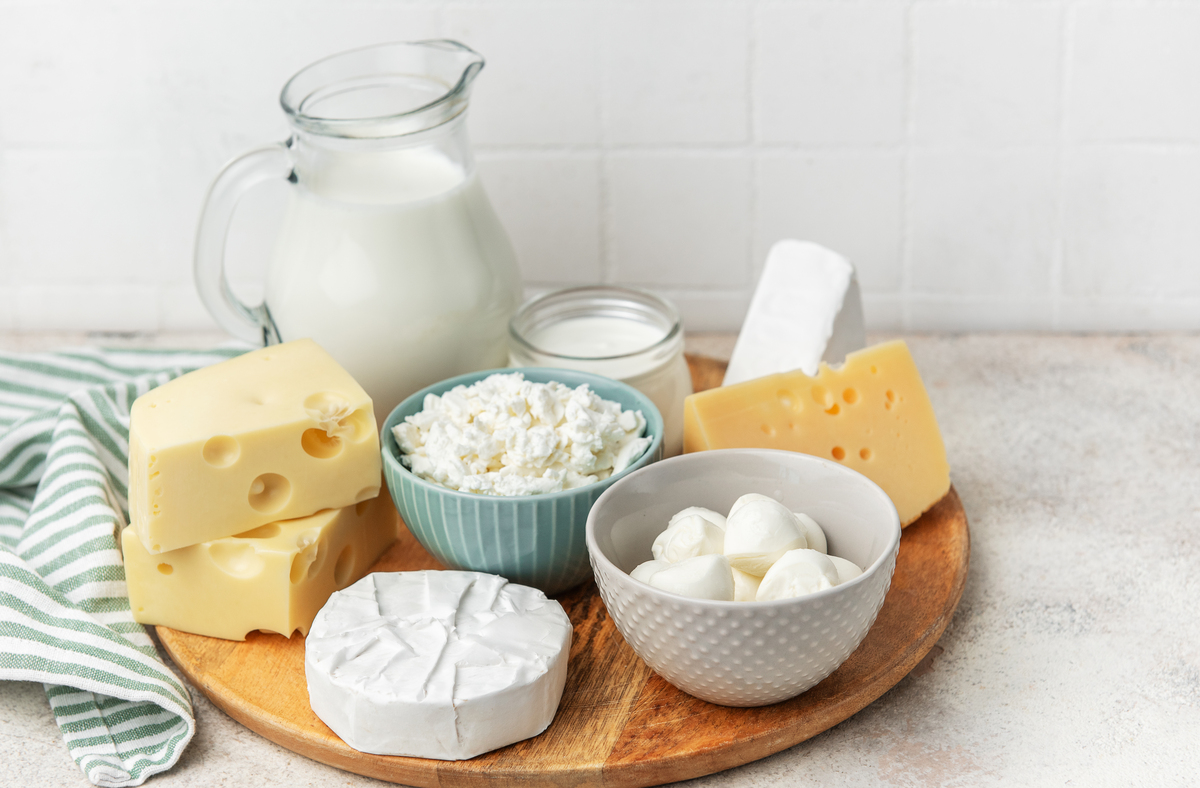
Dairy & Nutrition
Acidification in processed cheese, cultured products and nutritional beverages, usually paired with sodium citrate for buffering.
Qualification Pack
Citric Acid SDS, MSDS and Certificate of Analysis
Supplier approval stalls on missing paperwork more often than on price. The SDS for citric acid anhydrous, the product specification and a lot-specific Certificate of Analysis are available on request, and the full pack ships with every order. If you need the safety data sheet for citric acid before qualification, request it below — there is no charge.
Note on terminology: the citric acid material safety data sheet (MSDS) was replaced by the GHS-format Safety Data Sheet (SDS) — if your QA system still asks for an MSDS, the SDS we send is the current equivalent document.
- Product specification sheet
- Allergen statement
- Non-GMO Project verification certificate, where applicable
- ISO 9001 / 14001 / 22000 certificates
- Safety Data Sheet (SDS / MSDS)
- Certificate of Analysis, lot-specific
- Country of origin declaration
- Kosher and Halal certificates
Buyer Questions
Frequently Asked Questions
What is citric acid anhydrous?
Is citric acid made from mold?
What is citric acid powder used for?
Four functions: lowering pH, delivering tartness, chelating the trace metals that cause oxidation, and extending shelf life. In practice that means beverages, sauces and preserves, confectionery and bakery, dry seasoning blends, pet food, and nutraceutical or effervescent systems.
How much is citric acid in bulk?
The price depends on grade (FCC or USP), volume tier, pack format, and whether the material must be Non-GMO Project Verified or certified organic. Verified non-GMO acid carries a premium over commodity corn-derived material because it has to be imported. We quote landed and delivered to your plant and return quotes within one business day — send the grade, volume and destination and we will price it.
What is the minimum order for bulk citric acid?
Is your citric acid food grade, and do you supply USP?
Yes. We supply FCC food grade material for food and beverage manufacturing, and citric acid USP grade for supplement, clinical nutrition and pharmaceutical applications. Tell us which pharmacopoeia your specification references and we will match it and send the corresponding certificate.
Is your citric acid Non-GMO Project Verified?
Yes. Verification applies to the specific enrolled product, so we supply the current certificate covering the exact grade and source you are buying, including any conditions attached to it. Ask for it during qualification rather than relying on a company-wide statement — no supplier should be giving you one.
Do you supply organic citric acid?
Organic material is available against enrolled organic programs, subject to current supply. Because organic status varies by product, grade and source, ask for the certificate covering the exact material during qualification rather than assuming a blanket organic claim across the range.
Where can I get the citric acid SDS?
Request it through the form on this page and we send the current Safety Data Sheet, the product specification and a sample Certificate of Analysis. A lot-specific CoA ships with every order. If your system still requires an MSDS, the SDS is the current GHS-format equivalent.
Are you a citric acid manufacturer or a distributor?
We are an importer and distributor, not a producer. Our supply is fermented by partner manufacturers in Thailand and Colombia; we handle import, warehousing, documentation and delivery from 12 US locations. That means pallet-level minimums from US stock rather than container-load minimums and 8–12 week ocean lead times.
Do you participate in annual RFQ programs?
Yes. Most customers contract annually, with RFQs issued in September and October for the following calendar year. Send us your products, annual volumes, grades and documentation requirements and we will return a complete RFQ response.
Related Ingredients
ORGANIC · NON-GMO
Organic Cane Sugar
The sodium equivalent — same functions, lower cost, where sodium load is not a constraint.
CAS 77-92-9 · E330
Citric Acid Anhydrous
The same feedstock question, the same answer. Commonly paired in beverage systems.
Full portfolio
All Products
Get Bulk Pricing on Food Grade Citric Acid
Send the grade, particle size, pack format and annual volume. We return a quote within one business day, with current lead times and the full documentation pack.