01
Identify the enrolled product
Confirm the commercial name, grade, physical form, source and pack format that the manufacturing team intends to purchase.
Non-GMO Project Verified Supplier Since 2012
A focused ingredient portfolio for manufacturers that need product-specific verification, dependable documentation and coordinated commercial supply.
—— Ingredient Index
Review the portfolio by ingredient function, then request the current specification and verification package for the exact item under consideration.

Acidulation and pH control for beverages, confectionery, sauces, preserves and technical formulations. Product options may include anhydrous, monohydrate and fine-particle grades.

A citrate salt used for buffering, acidity management, emulsification support and flavor balance across beverage, dairy and prepared-food systems.

Supports buffering, potassium delivery and acidity adjustment in beverages, nutrition products and formulations designed around sodium-management goals.
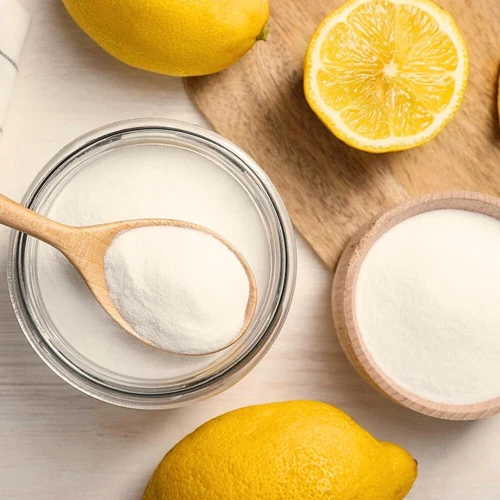
A calcium-bearing citrate used in fortification, buffering and mineral-delivery applications where product-specific solubility and process conditions must be reviewed.

Xylitol is a naturally occurring sugar alcohol that delivers clean, sugar-like sweetness with fewer calories.
Ideal for chewing gum, confectionery, oral care, beverages, and reduced-sugar formulations.

A reducing sugar used for sweetness, fermentation, browning and solids contribution. Source, monohydrate/anhydrous form and process needs should be confirmed.

Provides sweetness, solids, browning and bulk for beverage, bakery and confectionery formulations, with organic documentation available for applicable supply programs.

Cane-based sweetener options, including products historically marketed as evaporated cane juice, for manufacturers seeking cane origin and program-specific documentation.
—— Dedicated Ingredient Portfolio
Each ingredient has its own functional role, qualification questions and commercial requirements. The page is structured ingredient by ingredient rather than as a generic category overview.

A dairy powder option for formulations requiring milk solids, dairy flavor and organic program support. Confirm milk-allergen controls, country of origin and current organic documentation.

A weighting and stabilizing ingredient commonly evaluated for beverage emulsions and flavor-oil systems. Compatibility should be reviewed against the complete emulsion and process.
A hydrocolloid used for viscosity, water management and texture development across beverage, bakery, sauces, dressings and dairy-style systems.

Honey is a naturally sweet ingredient valued for its rich flavor, golden color, and functional versatility. Ideal for beverages, bakery products, sauces, snacks, and confectionery applications.

A zinc source used in selected nutrition, functional-food and oral-care applications. Grade, particle size and regulatory suitability should be matched to the final use.

Calcium Citrate is a highly bioavailable calcium source valued for its excellent absorption and mild taste.
Ideal for dietary supplements, fortified beverages, dairy alternatives, and functional foods.

An acidulant with a persistent tart profile used in beverages, confectionery, fruit systems and dry mixes where flavor architecture matters.

A formulation ingredient used as vitamin C and, in appropriate applications, an antioxidant or dough-treatment component. Regulatory purpose and use level depend on the finished product.
Use a product-specific review rather than relying on a general portfolio statement.
Start a Sourcing RequestConfirm the commercial name, grade, physical form, source and pack format that the manufacturing team intends to purchase.
Match the product to current verification documentation and confirm whether any source, facility or program limitations apply.
Review the specification, COA expectations, allergen information, origin, regulatory fit and process-related requirements.
Confirm volume, timing, warehousing, lot release expectations and the delivery plan required to support production.
—— Frequently Asked Questions
The strongest claims are the ones supported by the exact product documentation.
It means the specific enrolled product has been evaluated under the Non-GMO Project Standard. Verification is product-specific, so manufacturers should review the current certificate, product name, facility or source scope, and any conditions that apply.
No single company-wide statement should be used for every product. Verification and organic status can vary by ingredient, grade, source and current supply program. Confirm the exact item before using a seal or finished-product claim.
Typical qualification packages may include the current specification, certificate of analysis, safety data sheet, allergen statement, country-of-origin information, verification or organic certificate where applicable, and other regulatory or quality documents requested by the customer.
The sourcing discussion should begin with the ingredient name, intended function, target application, processing conditions, grade, particle size, packaging, annual volume and required documentation so the available options can be compared correctly.
Only publish a certification logo after confirming the company has permission to use it and that the current certificate covers the exact product or program represented on the page.